Word of mouth is the best way to get more business. Now you can tap into it.
Judy keeps one of your cards in her bag. Her friends tap it, claim your offer, and redeem it at your counter… and Judy gets credit.
Built on the Drawpoint framework that has been processing millions of leads a month for over a decade.
Minimize resistance.Make every referral count.
No app required. Nothing to sign up for.Tap-to-referral, with no strings attached.
The name
An ohm is the unit of resistance.
It measures how hard something is to get through. Low resistance and current flows; high resistance and it does not. Ohm’s law makes the one a function of the other, which is the whole of it: what you get out depends on what is in the way.
I = VR
Current equals voltage over resistance. Put something in the way and less gets through.
Every customer acquisition flow has resistance in it. An algorithm filtering leads, ad impressions, clicks, form fields, data validation, errors, nurture cycles, multiple steps to redemption. Bidding against everybody else for the right to be seen at all is resistance. So is an algorithm that takes the customer you just paid for and shows them forty-five of your competitors. So is a stranger deciding whether to believe you, which is the largest of the lot. We named the company after our quest to cut the resistance and streamline this flow.
OHM stands for Optimized Handshake Marketing, and the two halves pull against each other on purpose. The optimization is engineered. A handshake is the oldest low-tech thing there is. The handshake already happens between people who trust each other. We did not invent it and will not claim to. Trust reduces psychological resistance, and a simple tap reduces the path to redemption.
Om is also the sound one makes at the end of a long, relaxing exhale. We didn’t plan that one, but we’ll take it anyway.

Why this exists
Today’s digital marketing has gotten out of hand. OHM puts your business back in them.
You bid against a national chain for your generic target demographic. You pay for clicks that never walk in. An algorithm decides who sees you, and an inferior business can outrank you on a page you don’t own.
Nobody in that sentence has met anyone else. The human element is gone. No trust means resistance, and resistance is what your advertising budget is spent overcoming.
The best customers walk in because somebody they trust told them they should. No auction, no algorithm, no clickbait. Just a person putting their reputation behind you, and your offer in someone’s hands.
Back to basics
A word in the hand is worth 10,000 in the algorithm.
Both of these may end with somebody walking through your door. One puts you in an auction against national chains with budgets you will never match. The other is a person you trust shaking hands with a friend on your behalf.
The standard digital ad process
- Pick the keywords
- Add the negative keywords
- Set a daily budget
- Choose your audience
- Design your ad
- Write three more versions
- Place your ad
- Win the auction
- Pay for the click
- Land them on a page
- Hope they don’t bounce
- Ask for an email
- Hope they submit
- Validate the address
- Send the first email
- Clear the spam filter
- Hope they open it
- Send four more
- Hope they book
- Hope they turn up
Judy with an OHM touchpoint
- Tap
- Claim
- Redeem
And that list is only the part you can do. Between your budget and your customer:
Resistance is fertile. Just not for you.
Not only is it more work for you, you are relying on a black box that cares about nothing except selling ads at scale. Friction makes plenty of money off of you, just not for you. Keyword auctions, quality scores, retargeting pools and attribution windows, running against every other business like yours in a twenty-mile radius. You cannot watch it, you cannot audit it, and it has no allegiance to you over anybody else bidding in it.
One of these scenarios asks you to trust a company that is also selling your customers to your competition. The other is Judy.
Of course you trust Judy. I mean, c’mon.
Algorithm & flow
You are paying the algorithm. You’re also competing with it.
You’ve been there. You see an ad for something that looks interesting, you click it, and within minutes your feed is fifty companies selling you a variation of the same thing. One click told the platform what you wanted, and it sold that answer to every company bidding for it.
That is what is happening to your ads. You pay to find somebody with intent, and finding them is precisely what makes them worth selling to the business down the road. The better your ad works, the more that person is worth to everyone except you. You are paying to introduce your customers to your competition.
- Your click taught them
- what you wanted, and who else could sell it to you
- Your ad spend teaches them
- who your customers are, and who else should be bidding on them
- An OHM tap teaches them
- nothing.
Your OHM Touchpoint is a closed loop.
Nobody is bidding on them, nobody is retargeting them, and no platform learns a thing it can resell. The only business involved is yours.
One click on a car insurance ad, and the next minute your feed could look like this…
Imagine if you paid for that clicked ad, only to have Meta show your potential customer offers from 45 of your competitors!
* Real screenshots from one Facebook feed, in the hour after tapping a single car insurance ad.
How it works
A tap is all it takes to create a lasting impression.
When the people you want talking about you tell the people you want knowing about you, it creates a low-resistance connection that no amount of ad spend can buy.
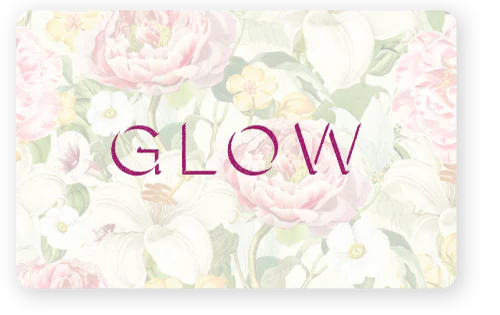
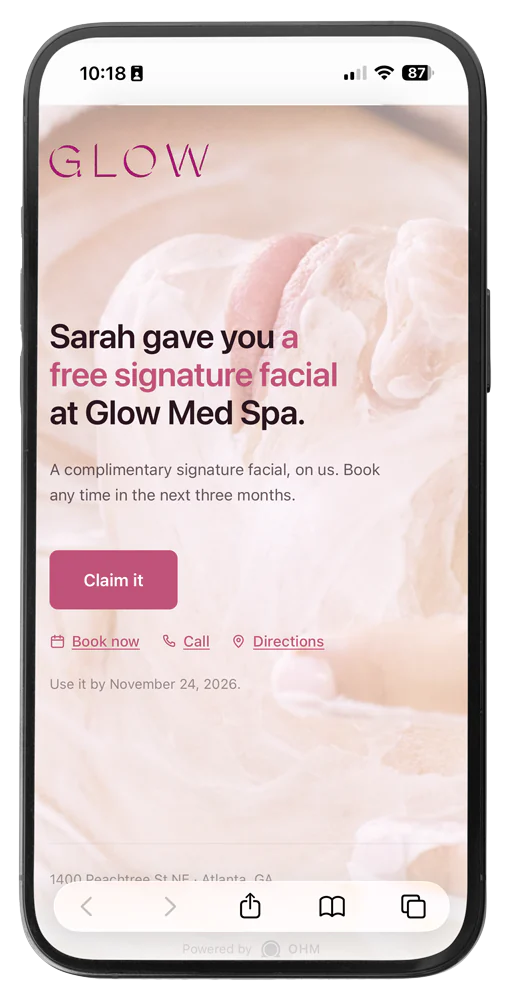
Sarah holds out her card. Someone taps it, and your offer opens on their own phone.
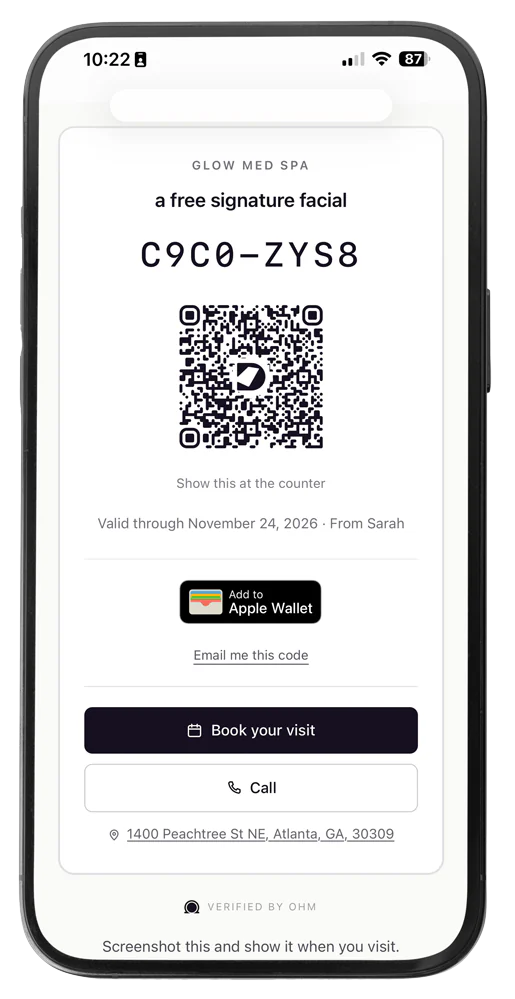
One press. The code is theirs, and it carries Sarah’s name.
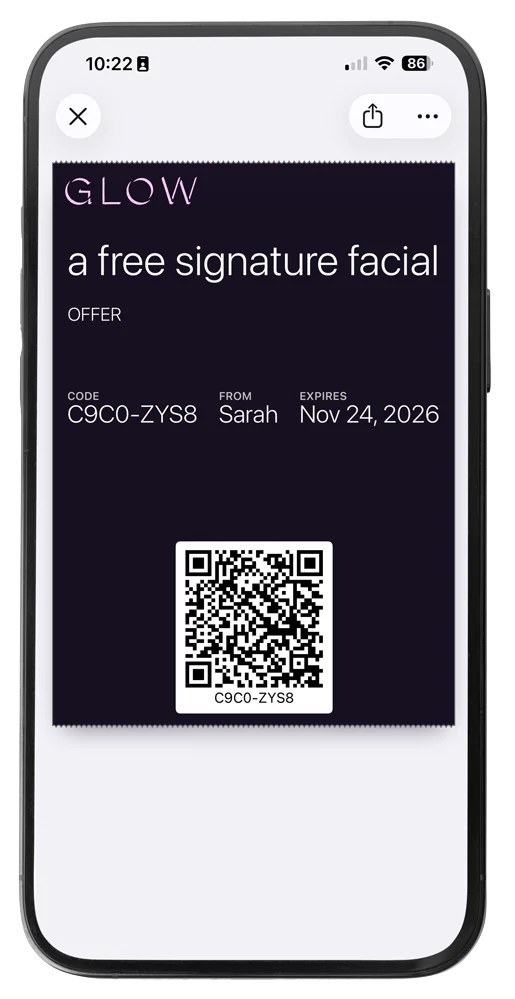
It goes in their wallet, right beside their tickets and boarding passes, until they visit.
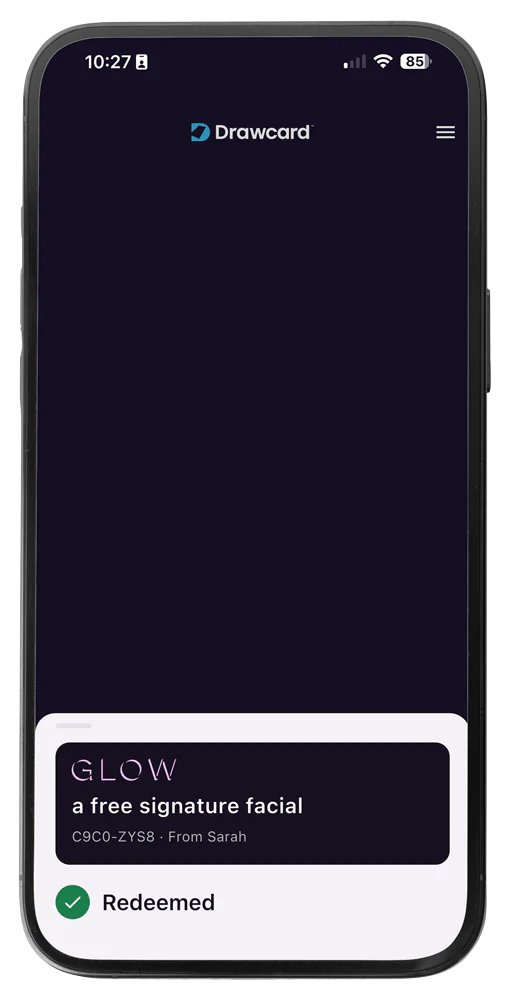
They walk in and you scan the code. The credit automatically goes to Sarah.
Sarah holds out her card. Someone taps it, and your offer opens on their own phone.
Your network
Let’s hear it for the brand!
You already know who your biggest cheerleaders are, now you can let them share in your success. One touchpoint each, and it is never used up. Unlimited taps, for years.
Your team
Stylists, front desk, technicians. Every one of them has a circle the business will never meet, and they talk about work in all of them.
Your regulars
The ones already sending you people, whether you asked them to or not. Now you will know which ones.
Local pros
The colorist, the makeup artist, the photographer. Their word carries weight because they know the work.
Related businesses
The wedding planner sees fifty brides a year. The bridal shop sees them first. Same customers, different business.
The incentive
Compound interest.
Goodwill gets you a card that comes out three times a year, if she remembers it. A reward gets you a new customer acquisition channel. Share the love, and love the sharing.
Cash
Real money, however you already get money to people.
Credit
On her account, or against the one thing she would never book for herself.
Points
Your own currency. Worth a dollar each, or just worth playing for.
You name it
A gift card, a standing arrangement, whatever you already do for people.
None of it is required. The attribution works the same whether you set a rate, hand out a gift, or simply know who to thank. But let’s be honest, wouldn’t you rather give the money to Judy for groceries than to some monolithic ad platform to feed their algorithm?
Attribution & rewards
Credit where it’s due.
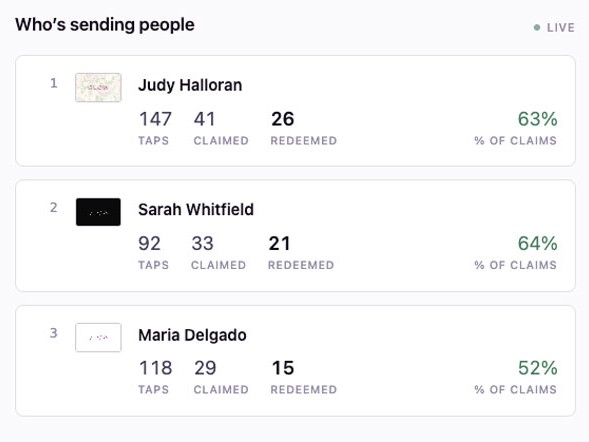
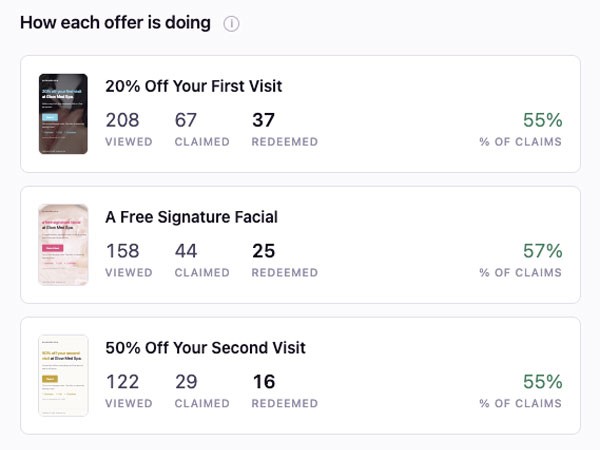
The channel you could never measure, reporting like the ones you pay for.
Everyone who carries a touchpoint, and how effective they are. From taps to your front desk, see which advocates and which offers are working for you.
Rank by taps, claims or redemptions.
See who has gone quiet.
Reconcile against a POS export.
The card designer
Brand in hand.
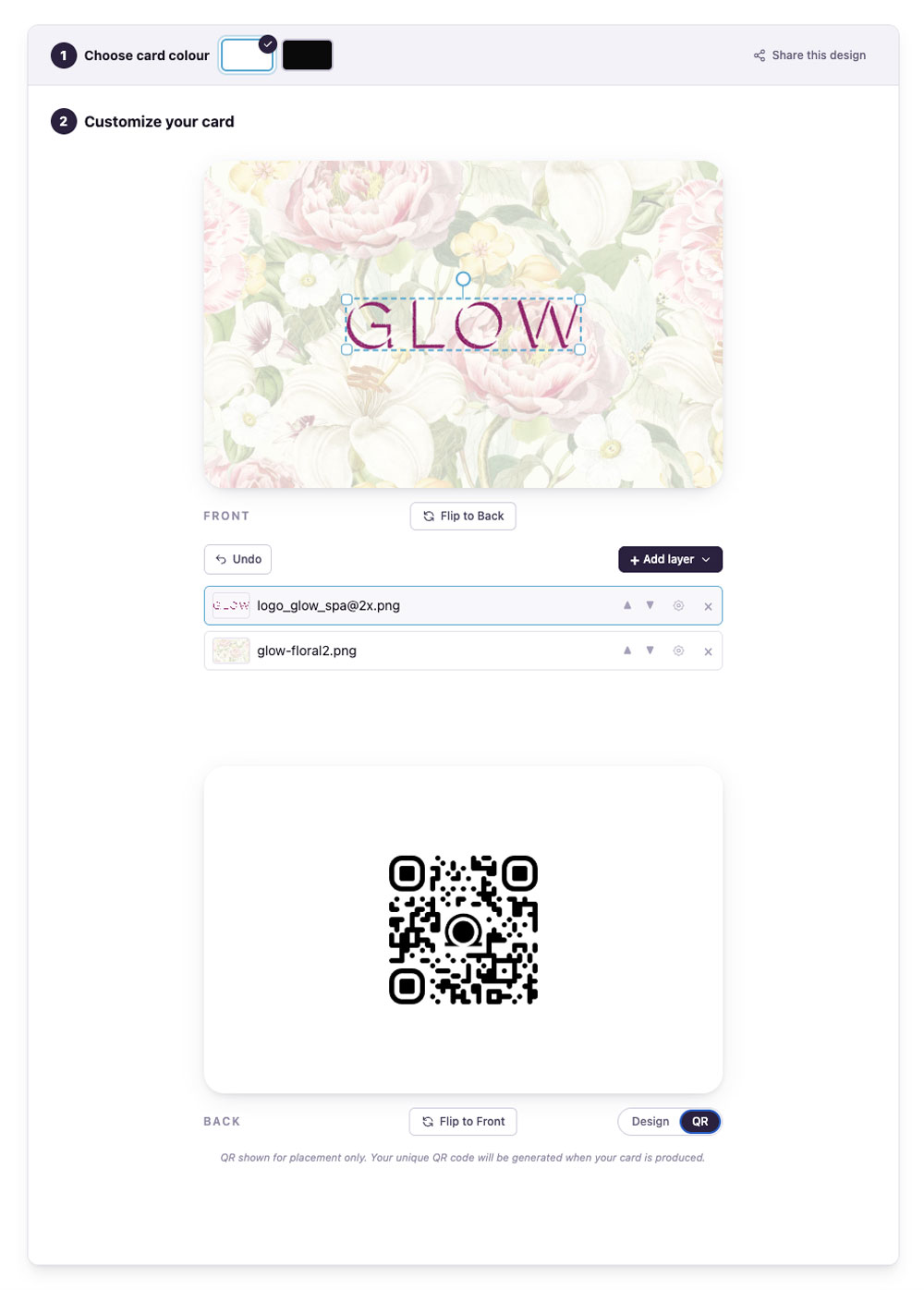
Design a finished card yourself in minutes. Bring your own artwork or start from a blank, set the front and the back, and see a proof before anything is printed.
Or hand it to us. If you would rather not do it yourself, get in touch and we will sort it out.
Add an optional QR code to the flip side, for phones without tap capabilities, and it will work just like the tap does.
Is this your card?
No? The card is still what most people want, and it has the most room for your brand. But it only counts if it is there when somebody asks, and that is not always in a handbag.
The chip is the point. Same tap, same everything behind it. Give your advocates the tap that will be there when the conversation happens.
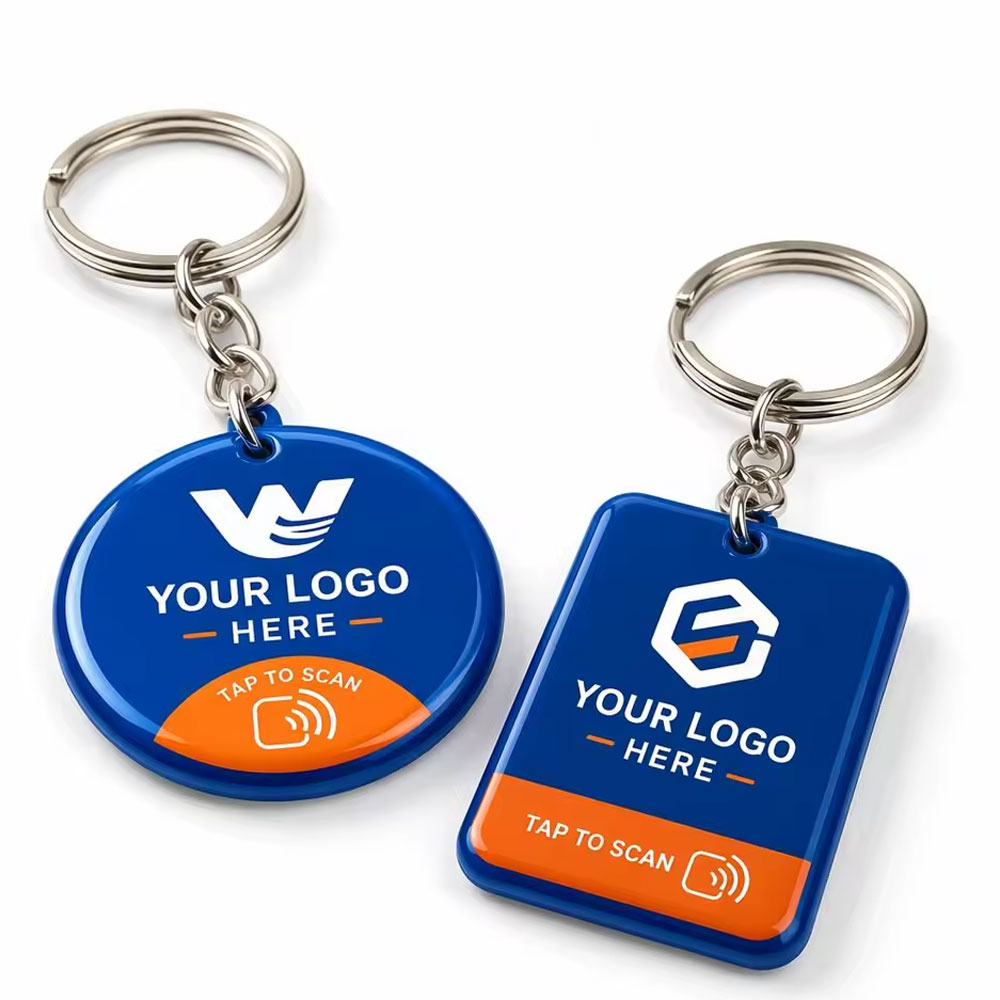
Keychains
Already in their hand on the way out.
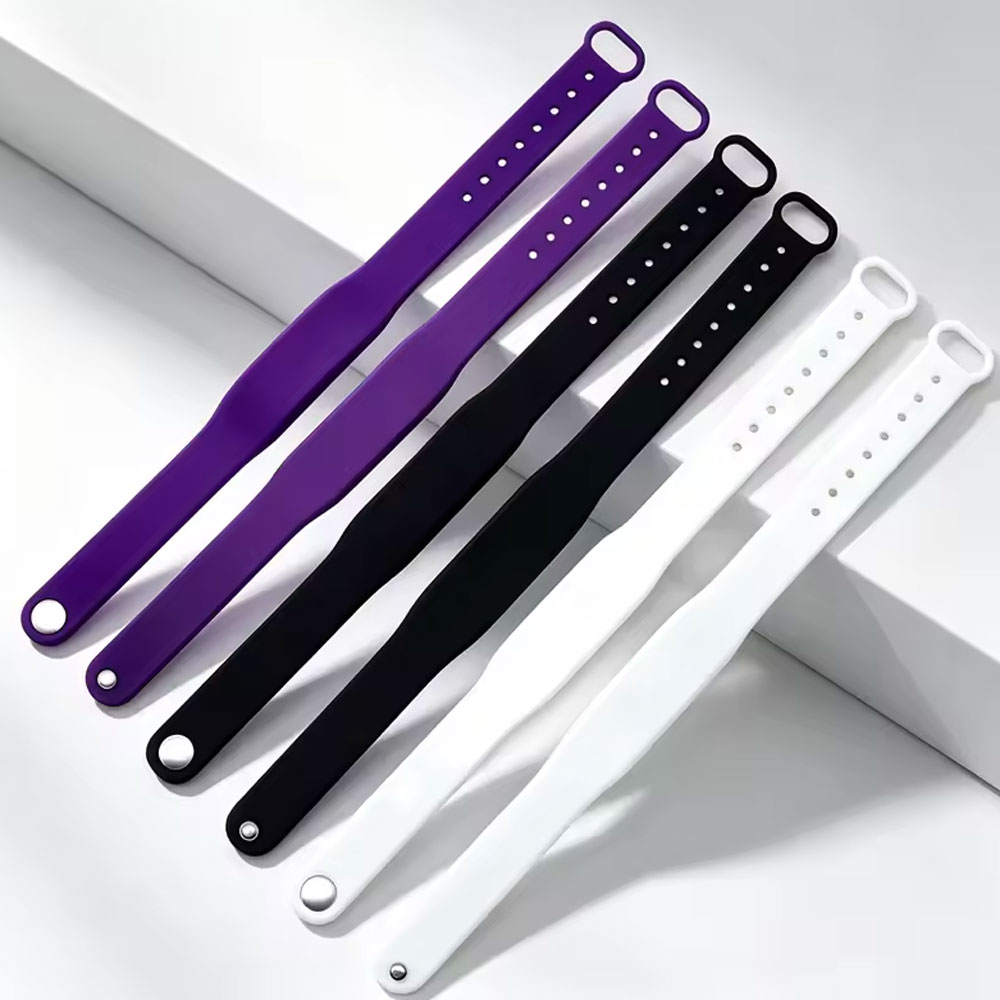
Bracelets
On the wrist, at work, all day. No bag required.
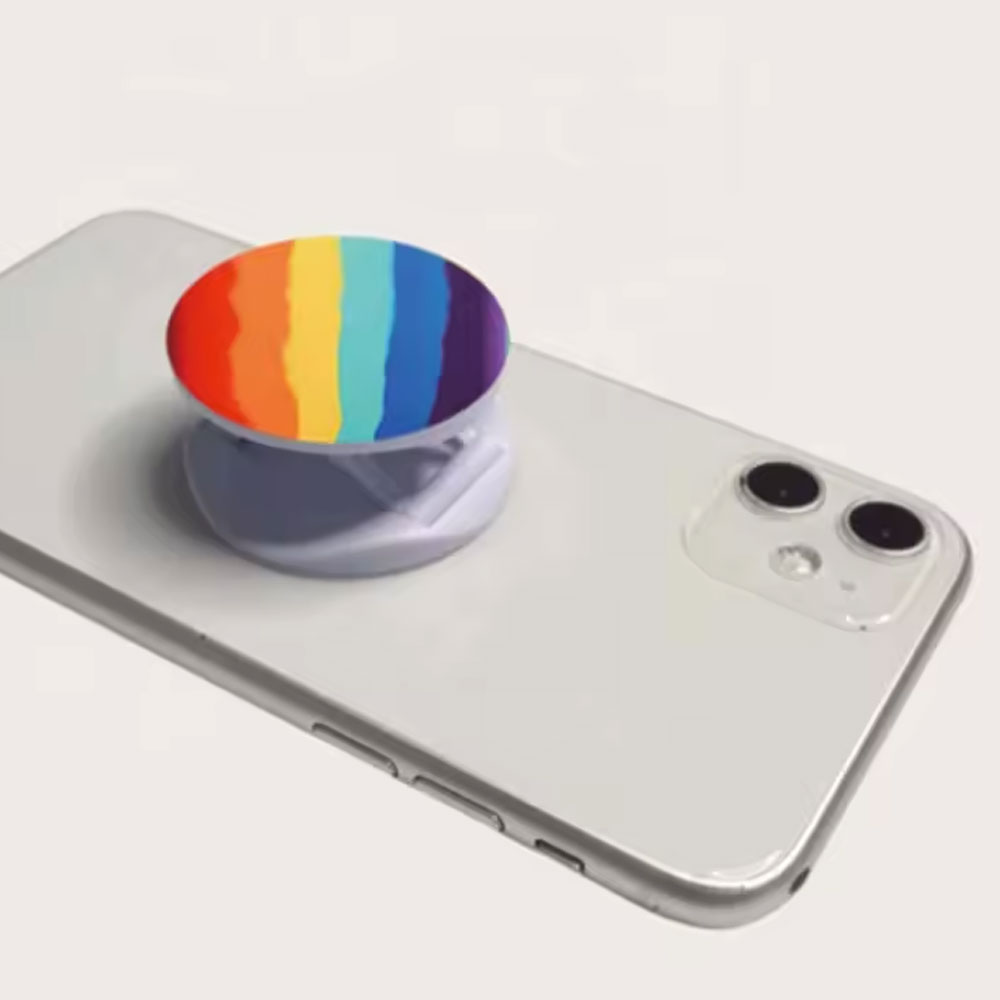
Phone grips
On the back of the phone they never put down, and something they wanted anyway.
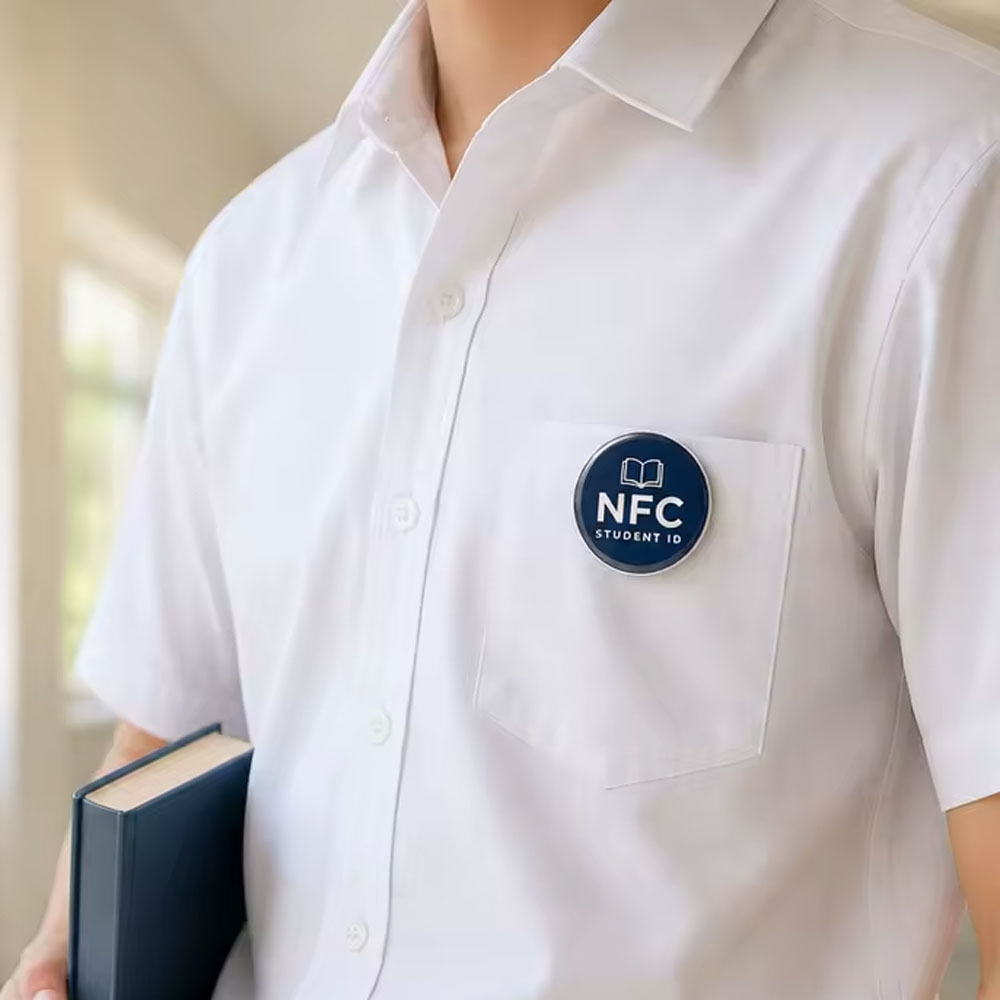
Pin badges
Your team wears them at work. “What is that?” is the whole opener.
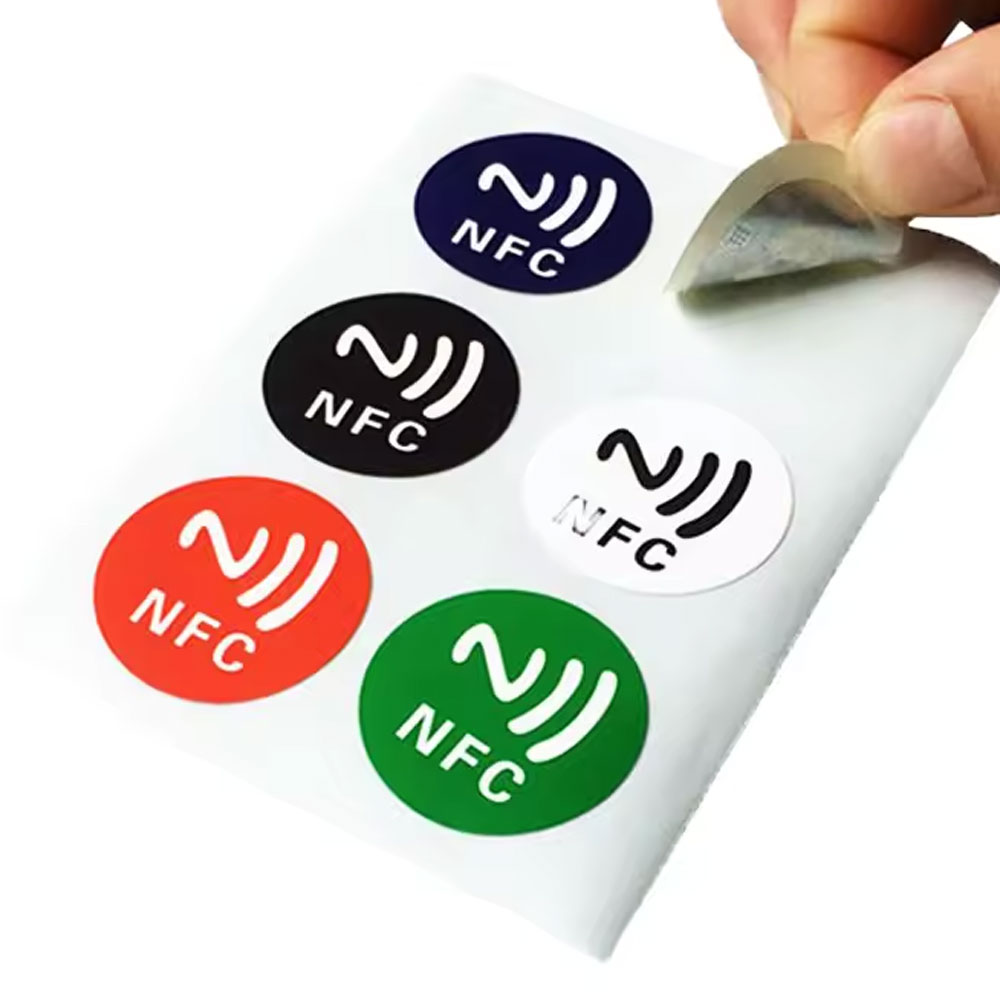
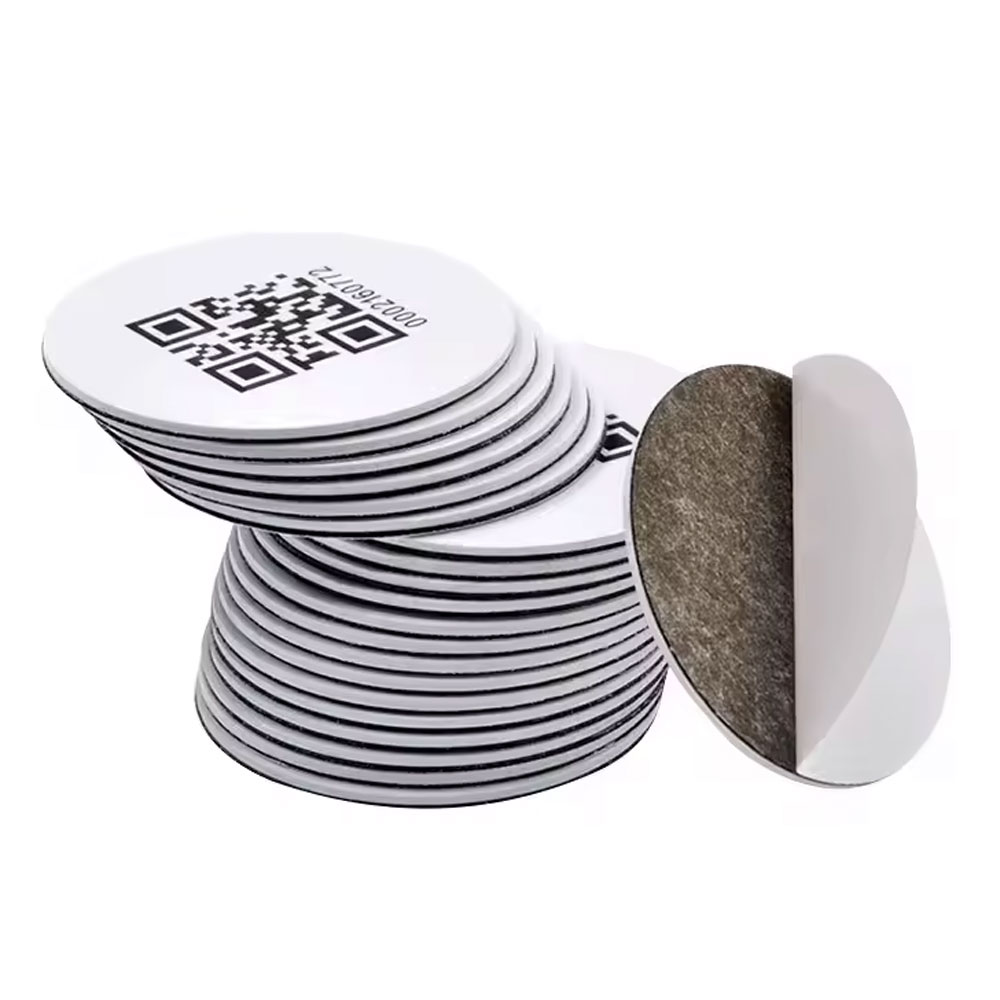
Stickers
A binder, a bottle, a laptop. Anywhere flat, including metal.
Station tags
A client sits in that chair for forty-five minutes, looking at that mirror.
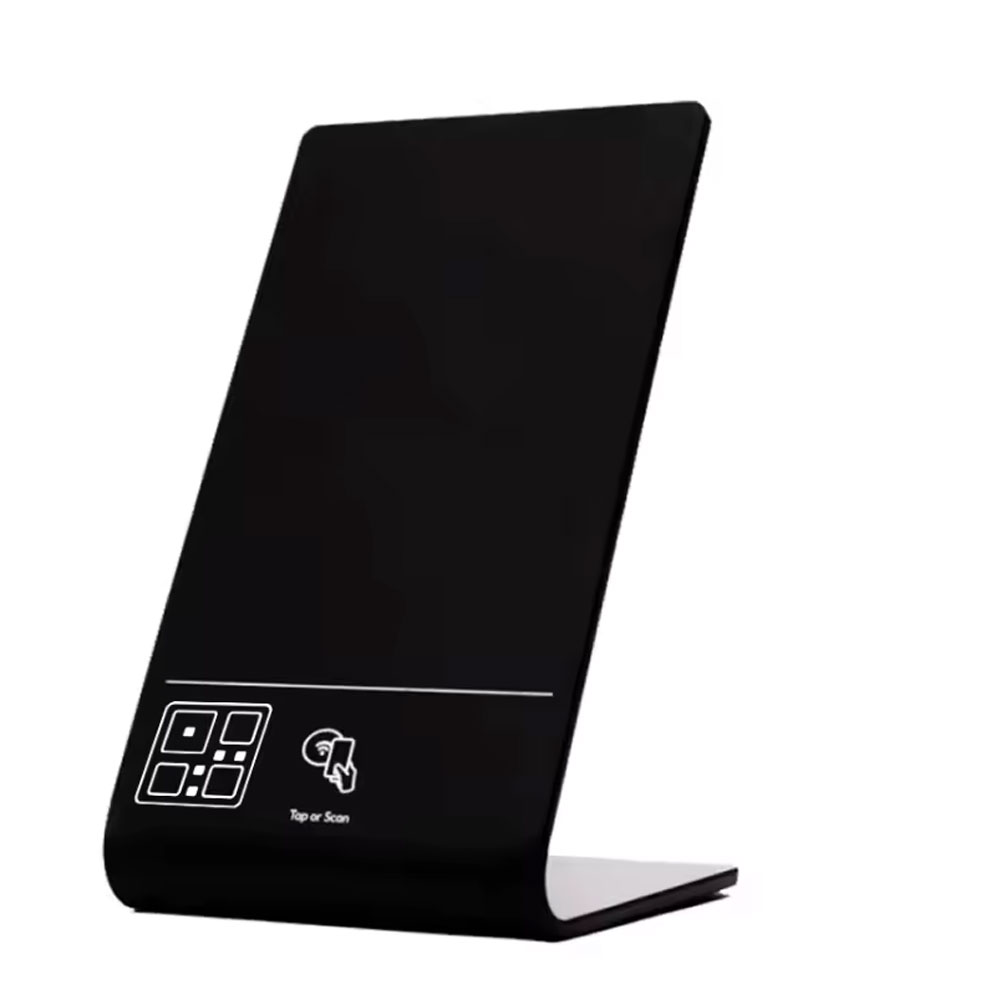
Counter stands
At the desk, while somebody is paying and telling you about a friend.
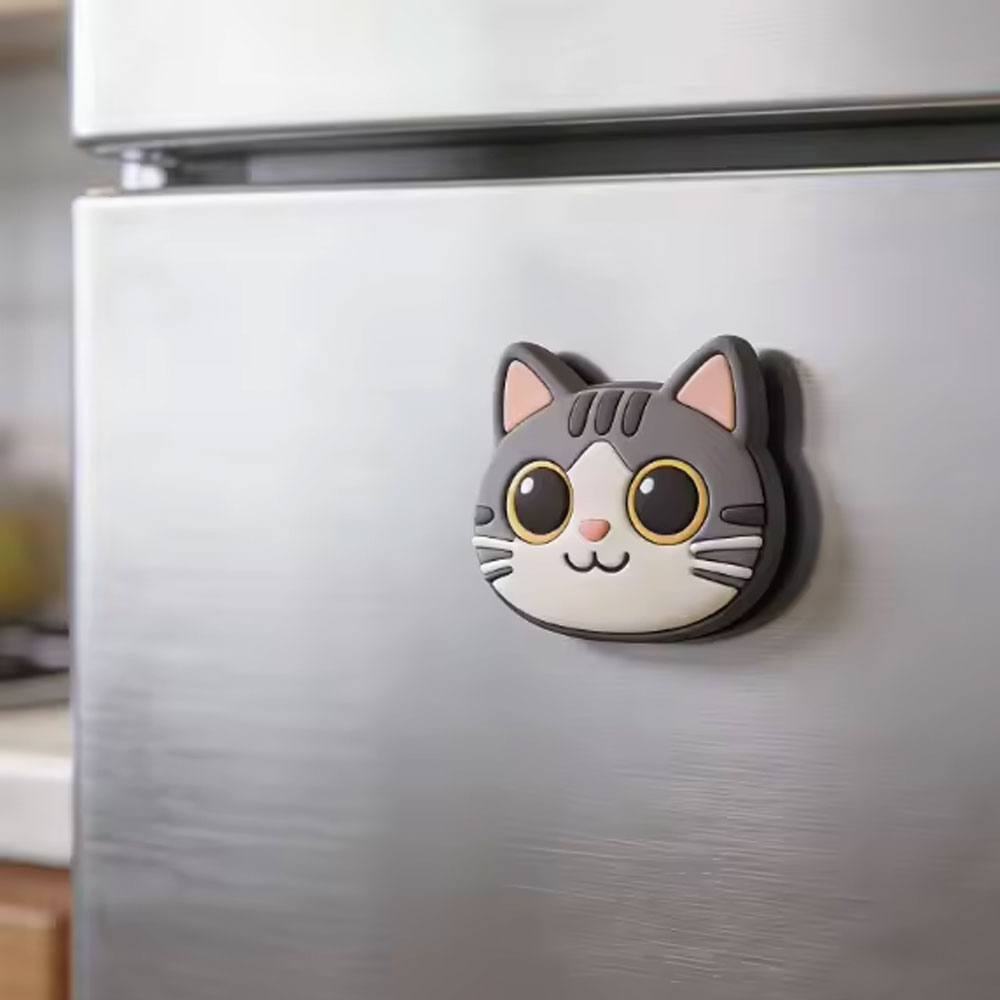
Fridge magnets
The only ones that go home with a customer and stay there.
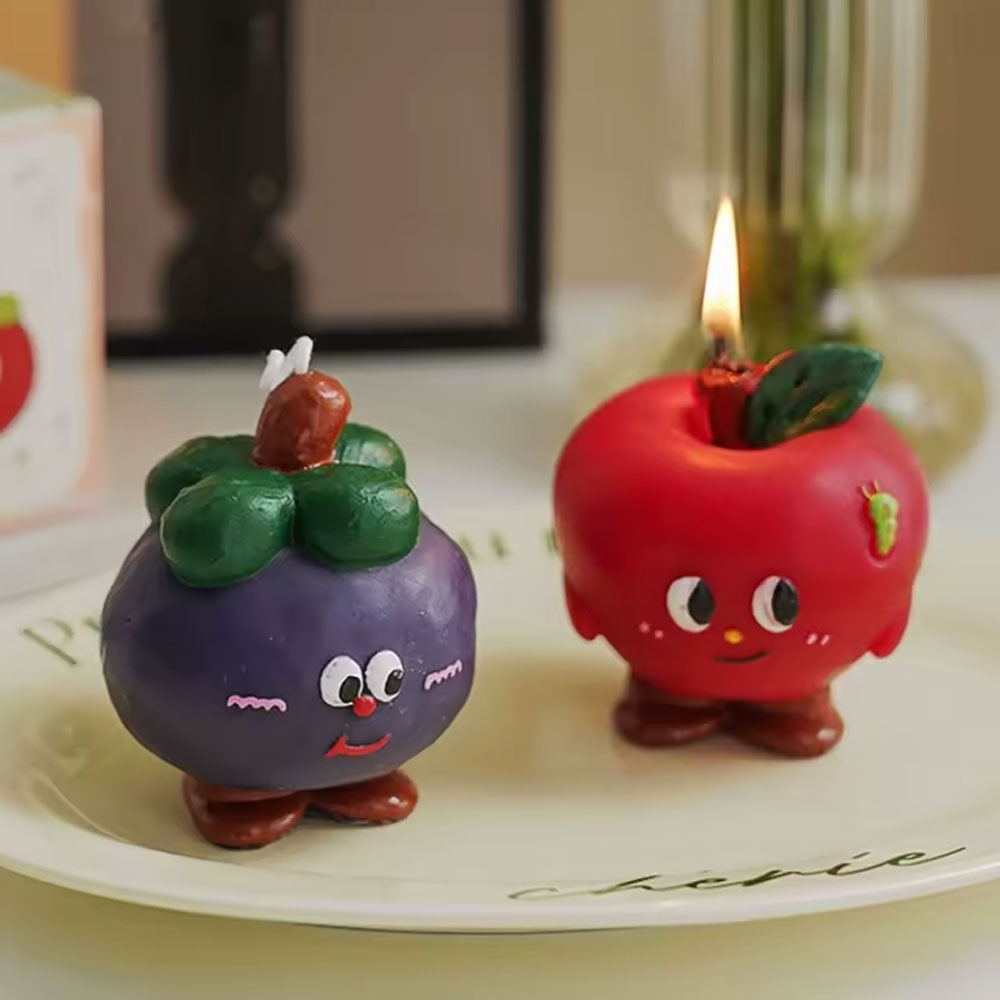
Or bring us the object
If we can print it and it can hold a chip, it can tap.
Nine touchpoints
Keychains
Already in their hand on the way out.
Bracelets
On the wrist, at work, all day. No bag required.
Phone grips
On the back of the phone they never put down, and something they wanted anyway.
Pin badges
Your team wears them at work. “What is that?” is the whole opener.
Stickers
A binder, a bottle, a laptop. Anywhere flat, including metal.
Station tags
A client sits in that chair for forty-five minutes, looking at that mirror.
Counter stands
At the desk, while somebody is paying and telling you about a friend.
Fridge magnets
The only ones that go home with a customer and stay there.
Or bring us the object
If we can print it and it can hold a chip, it can tap.
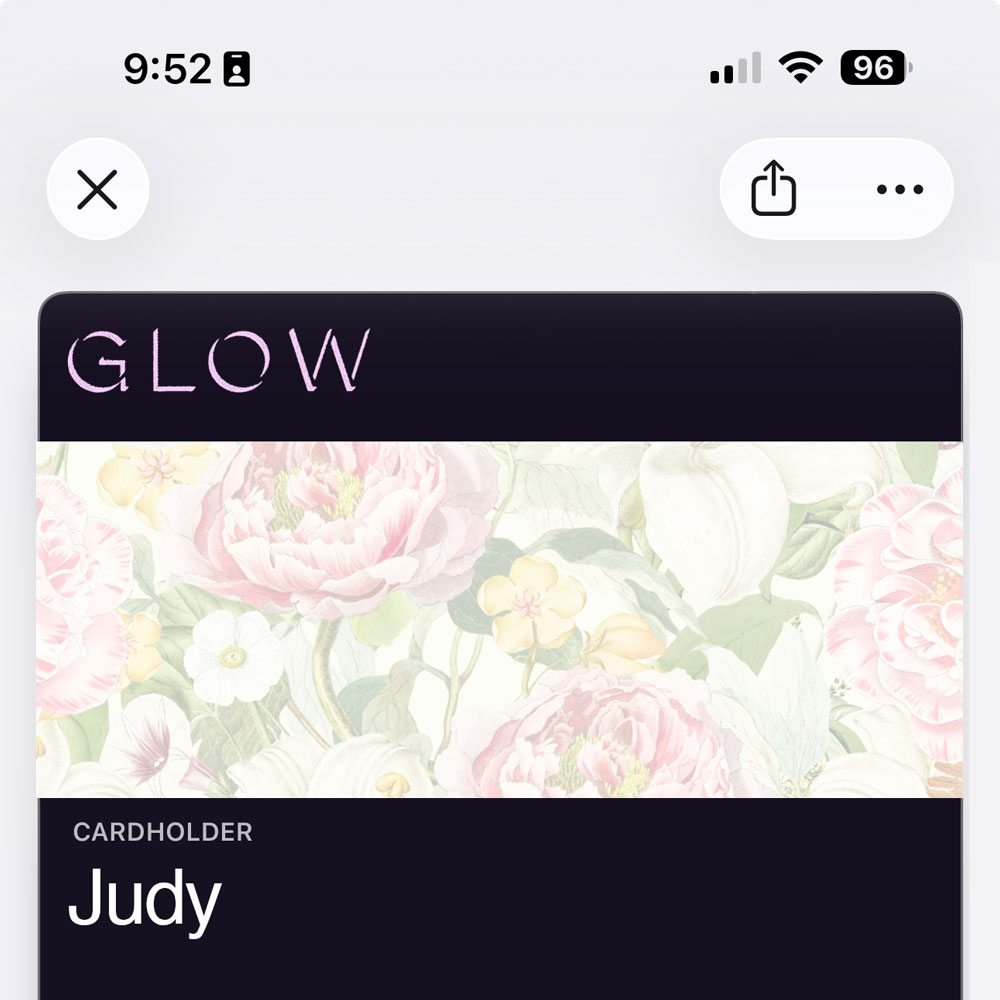
The point of touch
Judy always has her card, even when she doesn’t.
Whoever carries a touchpoint can keep a copy of it on their own phone, so the day they leave the thing on the kitchen table they can still be tapped. It costs nothing to add.


Pages & offers
The destination is all you.
Run one offer or twenty. Every page looks like you: your logo, your colors, and the name of whoever sent them.
From concept to claimable, in minutes.
Define it, decide if and when it ends, preview on your phone, publish.
Use one offer for every touchpoint, or give a single advocate a destination nobody else has. The cards already in pockets follow along.
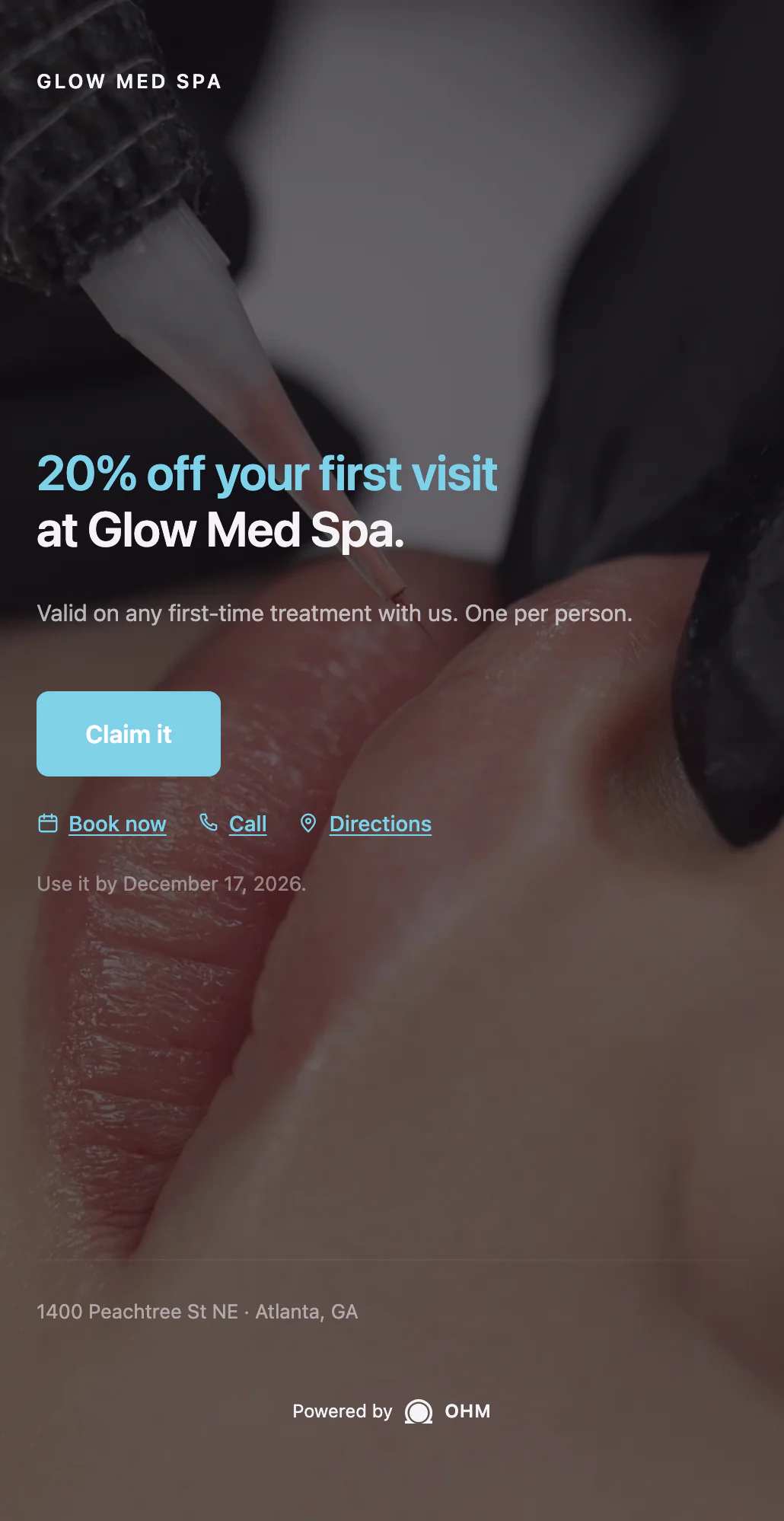
Conversion optimized
Built for Action, Streamlined for Success.
Claim the code, book the appointment, get directions to your door, or save it for later. Whatever you want them to do next is one press.
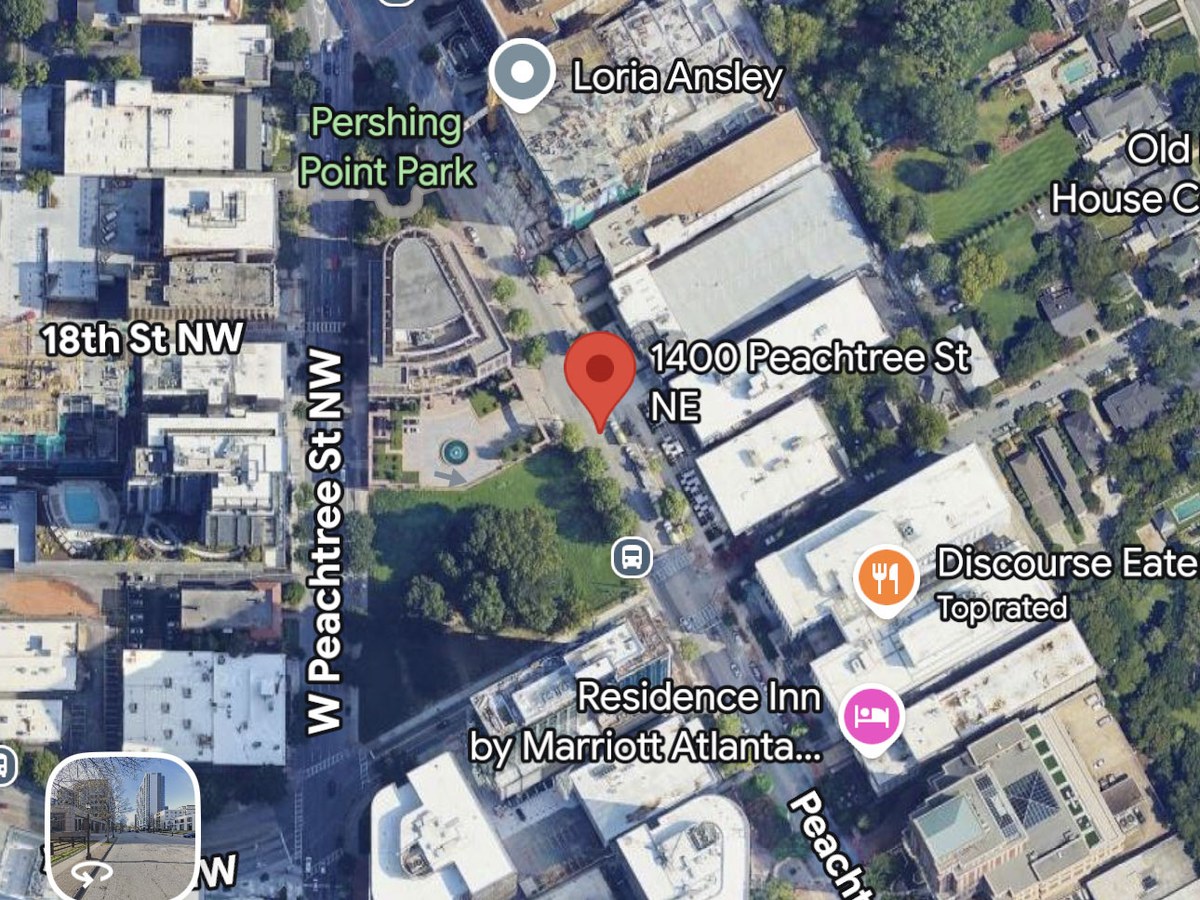
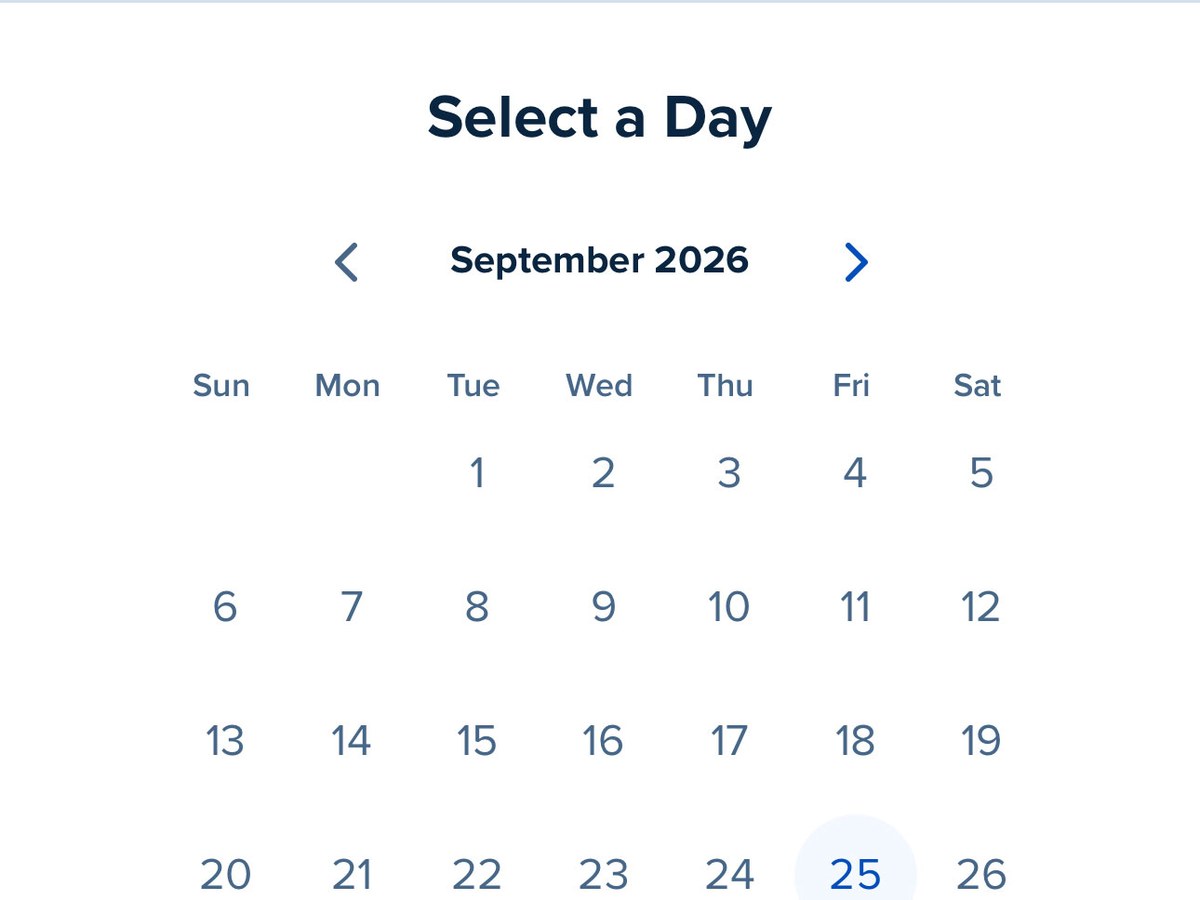
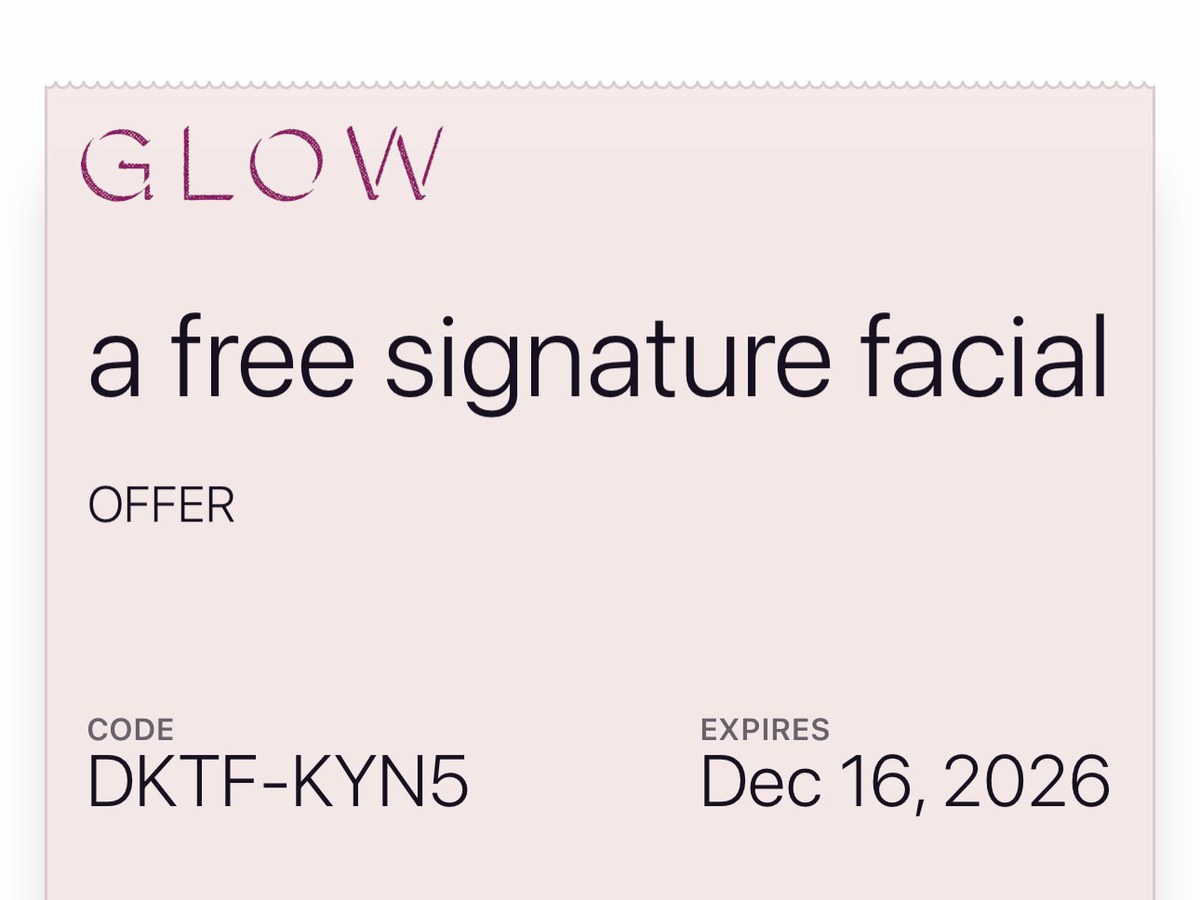
the map app opening on your address
Reviews & follow-up
The follow-upside.
“5-stars, did recommend.”
Your offer went home with them, into their Apple or Google Wallet, between their credit cards and their concert tickets. That is real estate nobody can buy.
Next it brought them into your shop where you gained a new customer, but the OHM loop doesn’t end there…
A few hours later, when they are basking in the glow of their recent experience, it casually asks them for a review, and that review can be looped right back for future tappers to read.
Judy didn’t just send you a customer, she got you the evidence you can show to future customers.
Asked at the right hour. A few hours after the visit, the pass they already have wakes up and asks.
OHM Tap
Your front desk will love us.
Three buttons. That is the whole app.
Hold a card to the phone. Whose it is, what they have earned, and anything waiting for them.
Point the camera at the code on their screen. Redeemed in one press.
No card and no camera? Key the code in.
The same card answers two different people. Her friend taps it and gets your offer; your front desk taps it and sees whose it is.
Optional and free. Upload your weekly export and never open it at all.
When you eliminate resistance, everything is fluid.
The OHM Tap home screen: three buttons reading Tap, Scan and Type, over the counter’s own fluid background, with the business and location named underneath. Press one to see what the app shows.
Do the math
Your number, not ours.
We could tell you what to expect, but no one knows your numbers better than you do, so set them yourself and see roughly where it lands.
Your stylists, your standing appointments, the makeup artist you keep recommending, the wedding planner two doors down.
Customer assumptions
Ad assumptions
OHM assumptions
+7
new customers per month
+$1,050
in first visits
−$70
to the advocates who sent them, which is what makes them send more
+$980
left this month, before you have seen any of them a second time
The payout is 6.7% of a first visit, and 1.1% of what one of these customers is worth to you over the relationship.
+$6,300
Lifetime Value (LTV)
+7
review requests
At the hour they are most likely to say yes, each one tied to whoever sent them.
| Your ads today | OHM | |
|---|---|---|
| You pay for | clicks, whether or not anybody comes | a customer who already walked in |
| A lead costs (CPL) | $39.25 | $0 |
| Of those leads, how many book | 25% | — |
| So one customer costs (CPA) | $157 | $10 |
| Worth over the relationship (LTV) | $900 | $900 |
| So you spent, of what they are worth | 17% | 1.1% |
| Their first visit is worth | $150 | $150 |
| So on day one you are | −$7 | +$140 |
An ad customer costs more than their first visit is worth. You are not buying a customer, you are lending them $7 against a second visit that may never happen, and paying it before you know whether they turn up at all. This one paid for themselves first, and you settled up afterwards.
Same customer, same lifetime value, 15.7× cheaper to acquire. And this one arrived already trusting you, because somebody they know handed them your offer.
Cost per lead is real: the 2026 WordStream / LocaliQ benchmarks, closest published category per trade. Med Spa uses med-spa-specific figures instead. How many of those leads book is yours to set. Taps per card and the walk-in rate are ours to prove, and the pilot is what settles them.
What it costs
Run the numbers. Win with OHM.
Every code names who sent it.
One number a month, whatever happens. Budget it once and forget it.
Cards are a separate one-off purchase, whichever way you pay.
Getting going
Design them today. Hand them out next week.
Design your touchpoints
Upload your artwork or build one here.
Pick a plan
Monthly. Change it or leave it whenever you like.
We print, encode and ship
Printed, chip written, boxed and tracked to your door.
You start handing them out
Empower your advocates. No app, no login, just a simple tap.
Frequently asked questions
The things people ask.
Why is it called OHM?
An ohm is the unit of resistance. We named it after the thing we take out.
What if somebody loses their card?
Stop it in one press, and start it again if it turns up in a coat pocket.
We have more than one location. Does that work?
Yes. Two sites, two offers, one account. Each site runs its own offers, your Buckhead manager sees only Buckhead, and you set who sees what. We’ll set it up with you.
Do I need to integrate my POS?
No. Upload your weekly export, or redeem at the counter in the app. Your choice, and you can change your mind.
What if they just screenshot the offer and send it on?
Good. All of them still credit the person who shared it.
Do my customers have to sign up for anything?
Not to claim an offer. No app, no account, no form. For the people handing out cards it is your call: off by default, and you can require a short agreement if you want one. Ours mainly asks them to mention they get a little something when they share it, which is what the FTC expects of anybody endorsing a business that pays them. Use ours or upload your own.
How do advocates actually get paid?
By you, however you already pay people. Account credit, a comped service, cash, a gift card. We work out what is owed and who earned it, offer by offer, and show you the list. We never touch the money.
What happens when a member of staff leaves?
Stop their card, or leave it running. It is your call, and it takes one press either way.
How long until we have cards in hand?
We print in batches. You will get an email the day yours starts printing, and another when it ships.
What are the cards actually made of?
Full-color UV printing on PVC, edge to edge, front and back. Ink you can feel, on a card that does not fray, fade or mind the rain. Credit-card stock by default, and any thickness you want.
What if somebody’s phone will not tap?
You can put a QR on the back of the card, and it goes to exactly the same place. Same card, same advocate, same credit. Most phones made in the last several years read a tag without opening anything, so it is rarely needed. It just means nobody has to be left holding a card that does nothing.
Is the chip stuck on the back?
No. It is sealed between the layers, so there is nothing to peel and nothing to catch, and nothing gives away what it is until it is tapped. It reads through most phone cases.
We are a dental or medical practice. Can we reward referrers?
That is a question for your own counsel, not for us. Some regulated fields restrict paying for referrals, and the rules differ by state and by whether insurance is involved. What we can tell you: a rate is optional, so you can run the whole thing on recognition alone and still see exactly who sent whom. If you do reward people, you can require them to agree to terms first, and the offer page tells the person walking in that their friend gets a thank-you.
Can I use my own artwork?
Yes. Bring your own artwork or design it here, and a logo on its own is a finished card.